

Find Retailers and Partners, Ready to help Launch your Coffee Business
Find a retailer who’s more than a supplier — a partner ready to help you start, grow, and succeed in your coffee journey. Together, we provide the guidance, tools, and expertise you need to turn your coffee dreams into reality.


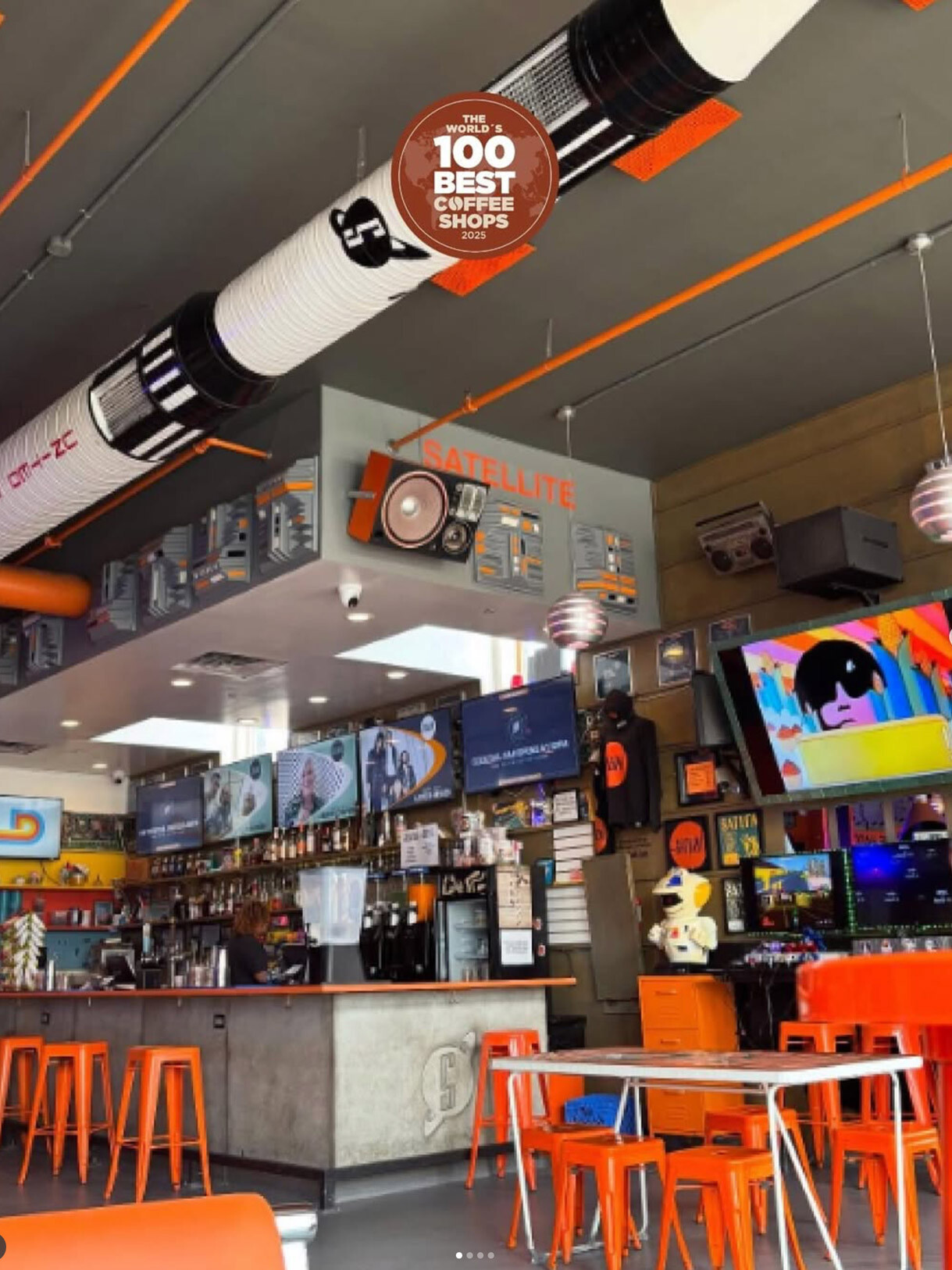
More Than Retailers — Your Business Partners
From selecting equipment to understanding the ins and outs of running a coffee business, our retailer partners are here to guide you.


Our Newsletter

FAQ's
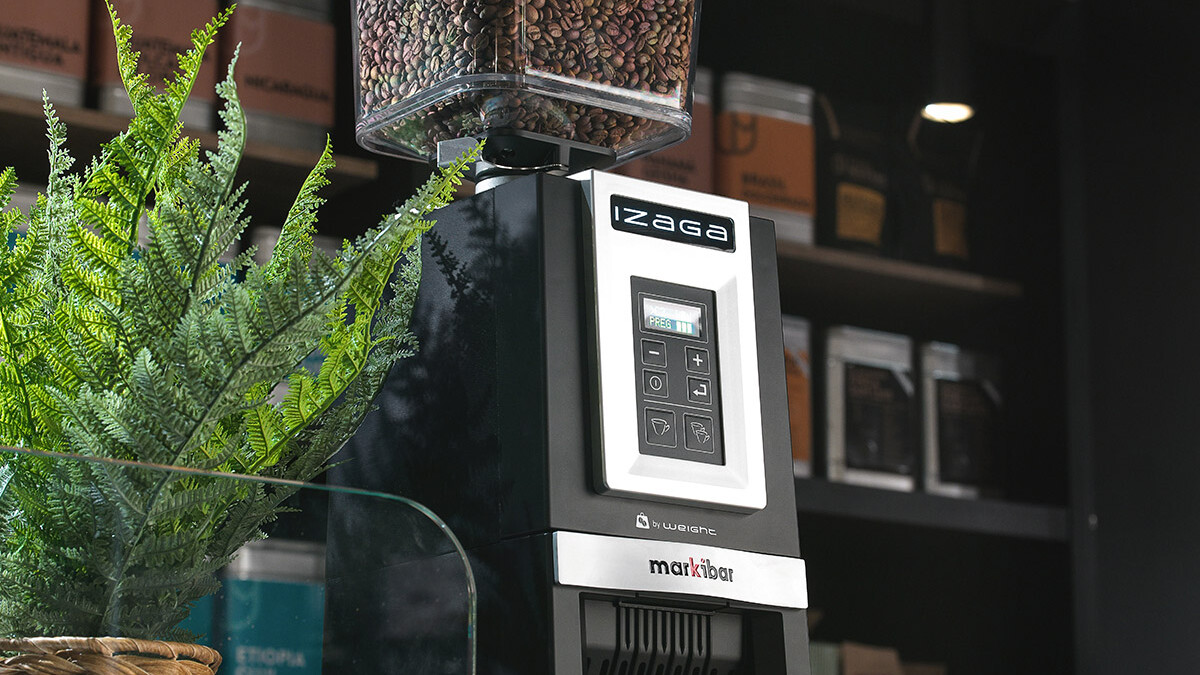
Daily cleaning ensures your espresso tastes fresh and your grinder runs efficiently. The Markibar grinders are very easy to clean compared to other grinders. Drop or insert the brush into the ground-coffee chute / dispensing tube to remove residual fines and buildup around burrs and chute area. This will make sure your.
To start a coffee shop, you need essential tools like a commercial espresso machine, a commercial espresso grinder, a drip brewer, and barista equipment such as tampers, scales, milk pitchers, and knock boxes. You’ll also need operational essentials including a POS system, refrigeration, water filtration, and proper storage. For anyone starting a coffee shop business or launching a mobile coffee cart, it’s important to view every piece of equipment as an investment rather than just a cost—while price matters, investing in gear that will last pays off in reliability, speed, and consistency. With the right tools from day one, your shop will deliver better coffee, smoother service, and long-term success.
A single cup of coffee typically contains about 80–100 milligrams of caffeine, but the exact amount can vary based on brew method, roast level, and serving size. Lighter roasts generally have slightly more caffeine than darker roasts, and drip or filter coffee usually contains more caffeine than espresso per serving. An average shot of espresso has around 60–70 milligrams of caffeine, while an 8–12 oz brewed coffee lands closer to the 95 mg range. Keep in mind that every café, bean, and brewing style can shift the numbers slightly.