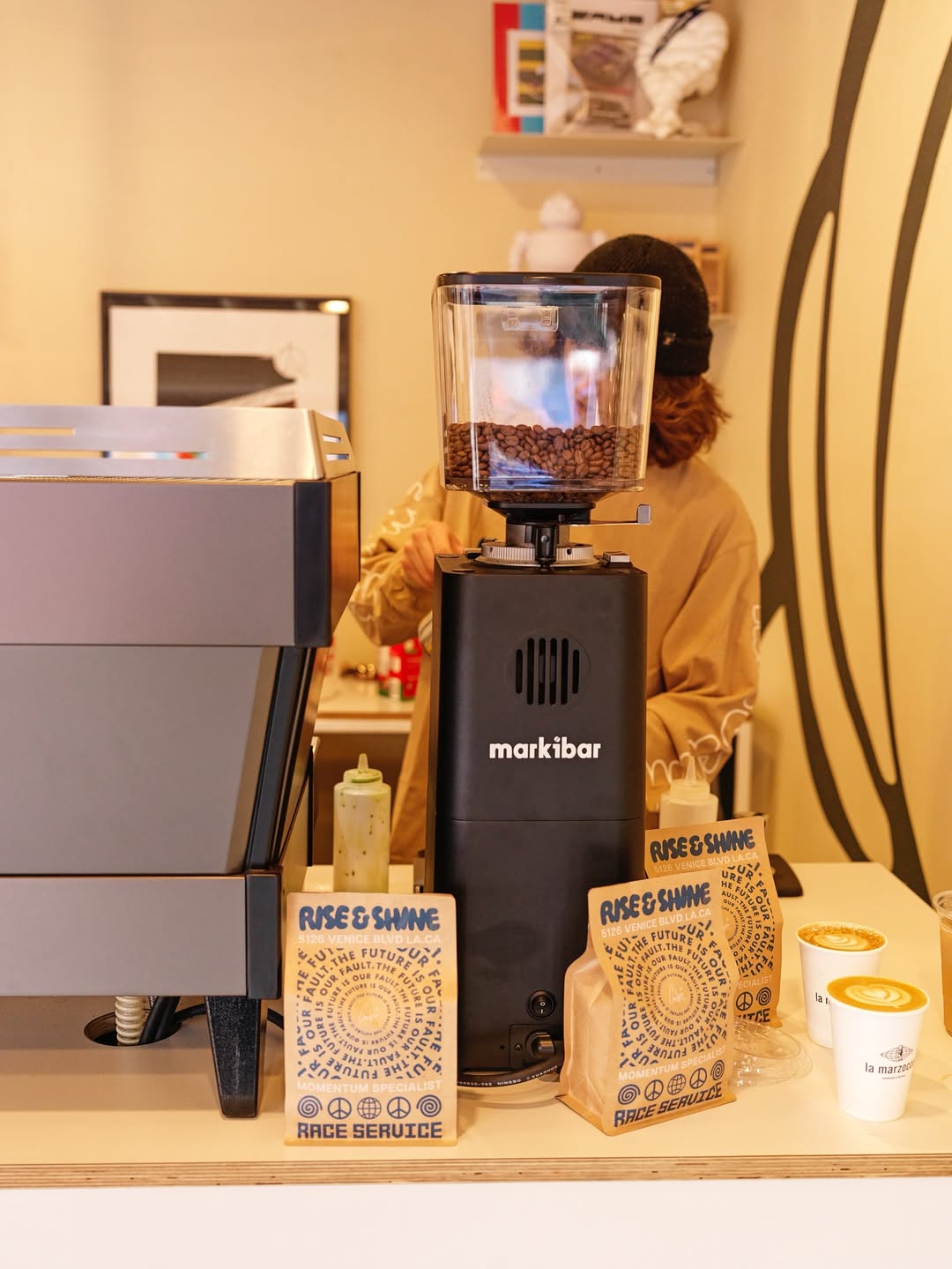
Starting a coffee shop: even if you don’t know anything about coffee.


Starting a coffee shop: even if you don’t know anything about coffee.
How to open a coffee shop with zero business knowledge or coffee expertise:
There are certain ideas that arrive like weather. You wake up one morning and realize you’ve decided to open a coffee shop. The thought settles over everything: the streets you walk down, the cafés you linger in, the small rituals of your own mornings. It is less a business decision than a quiet insistence from somewhere in your internal geography.
People imagine that opening a café begins with equipment lists, business plans, the particular mathematics of espresso ratios. It does, eventually. But before any of that, it begins with the admission that you are willing to build something that asks for you every day. It begins with understanding that this is not just a place where people buy coffee; it is a room where days begin, where conversations land, where a kind of fragile community takes shape in the margins.
If this is you: «I’ve never even worked in one nor owned a business. What can I do to prepare myself?» you’re not alone.
The truth is that most people start with less experience than they’ll admit. You learn by standing in other cafés and paying attention to the unnoticed moments: the barista’s glance at the grinder, the worn patch on the counter, the cadence of orders as they rise and fall like tidewater. You learn by imagining yourself inside those spaces, responsible for their rhythm.
There is no perfect preparation for this kind of work, but you can begin by studying the hours before a café opens. The quiet cleaning rituals, the calibration of machines, the way light moves across stainless steel. These small acts teach you more about running a business than any formal lesson. They teach you consistency, repetition, the comfort of routine.
You can also walk into cafés and ask questions. People in coffee are disarmingly willing to explain the machinery of their days. They will tell you about licensing, rent, staffing, margins — the mundane details that make or break a dream. Listen to them. They are offering you the map.
The Plan Behind the Dream
At some point the idea must become a plan. Business permits, health requirements, the choice of whether your shop will serve pastries or small meals. None of this feels romantic, but what people forget is that the foundation is always built at ground level. Dreams don’t exist without paperwork; even joy needs structure.
You begin to think about location. A street with enough foot traffic, a neighborhood that needs a place to gather. You imagine the hours you will keep, the kind of people who will walk through your door, the smell of the first batch of beans you’ll grind each morning.
Research becomes less of an obligation and more of an instinct. You want to know what equipment outlasts the rush, which suppliers show up when you need them, which espresso blend will taste like something steady and true.
Designing the Space
Coffee shops are rarely about coffee alone. They are about atmosphere, the nearly invisible decisions that make people stay: the chair that feels stable, the light that falls across a wooden table at noon, the hum of conversation rising just enough to feel like life.
To design a café is to design a feeling. You choose colors and textures not because they are fashionable, but because you imagine how they might soften the edges of a day.
The Cost of Opening the Door
There is always a moment — usually late at night, long after the spreadsheets and projections — when you ask yourself whether it’s worth it. The costs accumulate: equipment, renovation, staff, training, unexpected expenses that appear like uninvited guests. This is the part people forget to talk about. This is where the dream begins to look suspiciously like work.
But there is also something undeniably grounding about the process. You begin to understand what your shop will be long before it exists.
The Staff Who Keep the Place Alive
A coffee shop is shaped by the people who stand behind the counter. You look for baristas who understand the difference between making a drink and creating a moment. You look for people who like mornings, who know how to hold a room without performing in it.
Training becomes its own ritual — teaching the 2:1 espresso rule, the length of a proper steam, the quiet discipline of dialing in the grinder at dawn. These acts build the culture more than any handbook ever will.
Marketing, Not as Posturing but as Invitation
Marketing, in this context, is less about performance and more about telling the neighborhood you exist. A sign in the window. A soft opening. A single photograph of your first latte served in real light.
People come not because you shout, but because the world wants places that feel intentional.
Opening Day
Eventually, you open the doors. The grinders hum. Someone orders a cappuccino. Someone sits by the window and reads. A small part of your life begins to echo inside the walls you created.
This is how it happens. Not all at once, but quietly, like everything that matters.